Something strange is happening in the advertising industry. Agency employees who have never written a line of code are building sophisticated marketing software — custom tools that would have required a development team and a six-figure budget just two years ago — in a matter of hours.
Adweek reported this week that agencies including Havas, Broadhead, and Supergood are “vibe coding” their own generative engine optimization (GEO) tools on top of large language models. The term sounds like a joke, but the results are real: fully functional software products, built by strategists and marketing VPs, shipped to clients and licensed as SaaS.
What’s actually happening
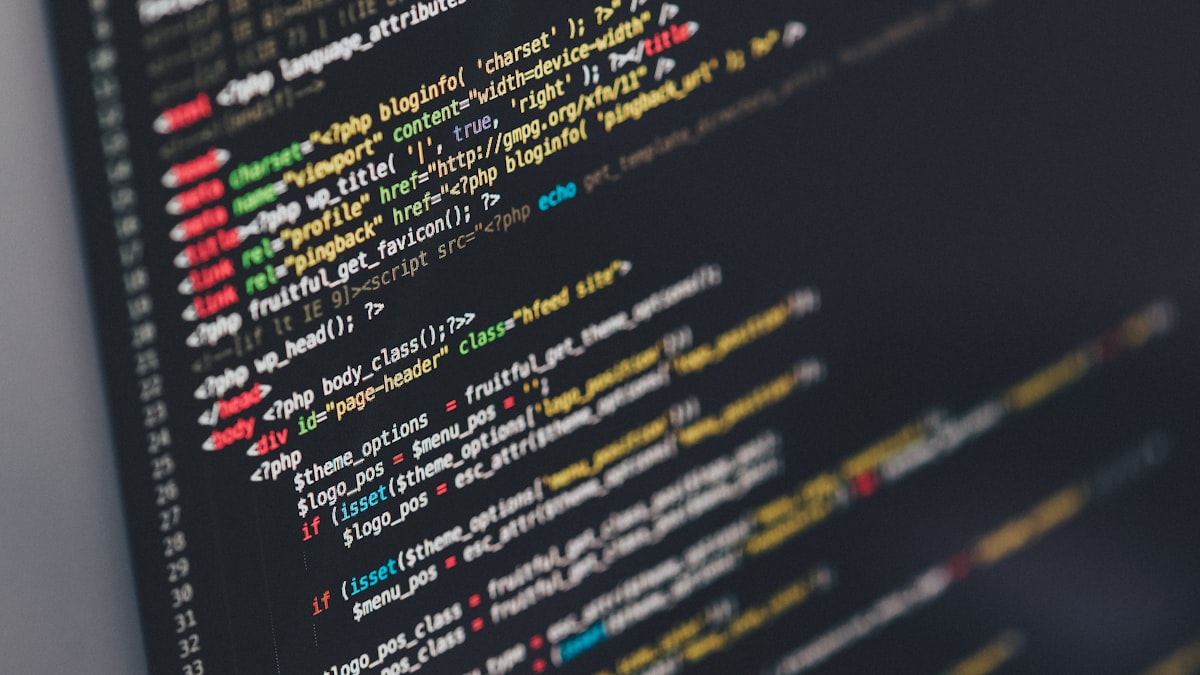
Vibe coding is the practice of describing what you want in plain English and letting an AI coding assistant generate the software. No syntax, no frameworks, no debugging stack traces. You talk to the AI. It writes the code. You refine it through conversation.
The results speak for themselves. At Broadhead, an independent agency, VP of Product Innovation Mitch Hislop built the first version of their GEO monitoring platform in a single evening using Claude Code. The tool analyzes how different AI providers rank a brand against its competitors — something that would have been a multi-sprint development project a year ago.
Two hours later, Hislop added a “competitive intelligence vote” feature that layers audience personas into the analysis, simulating how different types of consumers query AI tools like ChatGPT or Claude and how each brand ranks in those responses. A two-hour upgrade. No engineering standup required.
Havas took it further. They built Brand Insights AI using Claude Code and Replit, rolled it out globally across nearly 100 countries and 60+ languages, and now license it to clients as a paid SaaS product. An agency that traditionally sold strategy decks is now selling software.
“Everybody’s making software right now. In two years we are going to be delivering more software than actual documents.” — Mike Barrett, Founder and Chief Strategy Officer, Supergood
Why this matters beyond advertising
The advertising industry is a leading indicator for every knowledge-work profession. If marketers can build their own tools, so can salespeople, consultants, HR teams, financial analysts, and healthcare administrators. The vibe coding market is now valued at $4.7 billion globally and projected to reach $12.3 billion by 2027.
The numbers on adoption are striking: 87% of Fortune 500 companies have adopted at least one vibe coding platform. An estimated 41% of all code written globally is now AI-generated. Marketing teams are creating campaign tools without waiting on engineering resources. Sales teams are building custom training simulators. RevOps professionals are automating niche workflow problems that no off-the-shelf software addresses.
This is the shift from “AI replaces workers” to “AI gives workers superpowers.” The agencies vibe coding GEO tools aren’t laying off developers — they’re turning strategists into builders. The competitive advantage isn’t the technology itself; it’s having domain experts who can wield it.
The new career skill: building, not just using
There’s an important distinction here. Most AI discussions focus on using AI tools — writing prompts, generating content, analyzing data. Vibe coding goes a step further: it’s about building custom tools that solve specific problems in your domain.
A marketer who can use ChatGPT is useful. A marketer who can build a competitive intelligence platform that monitors AI-generated brand mentions across 60 languages is a different category of valuable. The difference between using AI and building with AI is becoming the career dividing line.
As Mike Barrett of Supergood put it, agencies will soon deliver more software than documents. That means the people who thrive won’t just be prompt engineers — they’ll be domain experts who can translate their knowledge into tools. A financial analyst who builds a custom portfolio monitoring app. A healthcare administrator who creates an AI-powered scheduling system. A content strategist who ships a brand-tracking dashboard.
What this means for the GEO gold rush
The specific tools these agencies are building — GEO platforms — point to a broader shift. Traditional search volume is predicted to drop 25% by 2026 and 50% by 2028, replaced by traffic from generative engines like ChatGPT and Google’s AI Mode. Web traffic from AI-driven referrals increased tenfold between mid-2024 and early 2025.
Brands need to appear in AI-generated answers, not just search results. That’s what GEO tools track — and right now, the agencies building them in-house are ahead of agencies still buying off-the-shelf solutions. The speed advantage of vibe coding means that the first custom tool is often good enough to sell to clients, turning an internal experiment into a revenue stream.
What AI Uni teaches about this
AI Uni’s AI Content & Marketing major trains students to build with AI, not just use it — including creating custom tools for brand strategy, campaign optimization, and audience analysis. The AI Software Development major covers AI-assisted coding practices that power vibe coding workflows. Both prepare you to be the person who builds the tool, not the one waiting for IT to build it.
Join the waitlist